
Protein and Weight Loss: Complete Guide to Protein for Fat Loss
Are you tired of fad diets that promise the world but deliver nothing but frustration? Do you dream of a sustainable approach to weight loss that actually works? The answer might be simpler than you think: protein.
Many of us struggle with feeling hungry all the time, battling constant cravings, and finding it nearly impossible to stick to a calorie deficit. We often feel lost in a sea of conflicting information, unsure of what to eat or how much to eat to achieve our weight loss goals.
This comprehensive guide is designed to be your ultimate resource for understanding the vital role protein plays in achieving sustainable fat loss. We'll explore how protein works, how much you need, the best sources, and how to incorporate it seamlessly into your daily diet to unlock your weight loss potential.
This article will arm you with the knowledge you need to harness the power of protein for effective fat loss. We will delve into the science behind protein's benefits, offering practical tips and strategies to optimize your protein intake for weight management, muscle building, and overall health. We'll explore the best protein sources, address common myths, and provide a clear path to achieving your desired physique. Let's embark on a journey to discover how protein can be your secret weapon in the fight against excess weight!
The Power of Protein: Why It Works
The power of protein lies in its multifaceted benefits, making it a cornerstone of any effective weight loss strategy. I remember when I first started paying attention to my protein intake; it felt like a complete game-changer. Before, I was constantly snacking, always feeling like I needed "just a little something" to keep me going. I wasn't necessarily eating unhealthy things, but the constant snacking sabotaged my weight loss attempts. I felt trapped, like my body was working against me. After learning about protein and its satiating effect, I started incorporating more protein into my meals. I found that I was eating less overall because I was less hungry between meals! Suddenly, weight loss felt less like a struggle and more like a natural outcome of fueling my body with what it truly needed. The key benefits of protein are its impact on satiety, its effect on metabolism, and its role in muscle preservation. Protein helps you feel fuller for longer, which naturally reduces your overall calorie intake. It also has a higher thermic effect than carbohydrates or fats, meaning your body burns more calories digesting protein. Crucially, protein helps preserve lean muscle mass during weight loss, ensuring that you're burning fat, not muscle, which is essential for maintaining a healthy metabolism and achieving a toned physique. This combination of factors makes protein a powerful ally in the quest for weight loss and overall well-being. Focusing on protein intake sets you up for success by tackling hunger, boosting calorie expenditure, and protecting your precious muscle mass.
Understanding Protein and Satiety
Protein's remarkable impact on satiety is one of the most compelling reasons to prioritize it in your diet, especially when aiming for weight loss. But what exactly does satiety mean? Satiety refers to the feeling of fullness and satisfaction after eating, which helps regulate appetite and prevent overeating. Protein stands out among macronutrients (carbohydrates, fats, and proteins) for its superior ability to trigger this sensation. When you consume protein, your body releases hormones like peptide YY (PYY) and cholecystokinin (CCK), which signal to your brain that you're full. This reduces ghrelin, often referred to as the "hunger hormone," minimizing cravings and the urge to snack between meals. The science behind this is complex, involving interactions between the digestive system, hormones, and the brain, but the result is clear: protein helps you feel satisfied with less food. This can be a game-changer for anyone struggling to manage their calorie intake. By incorporating protein-rich foods into your meals, you can naturally reduce your overall calorie consumption without feeling deprived or constantly fighting cravings, making weight loss a more sustainable and enjoyable process.
The History and Myths of Protein for Weight Loss
The idea of using protein for weight loss isn't new; it's evolved significantly over time, and it's important to address some common myths that persist. Historically, protein was recognized primarily for its role in building and repairing tissues. However, the understanding of its metabolic effects and impact on satiety came later. In the early days of dieting, the focus was often on simply reducing calories, with less attention paid to the macronutrient composition of meals. This often led to diets high in carbohydrates and low in fat and protein, which were ultimately unsustainable and ineffective for many. As research advanced, the importance of protein in weight management became increasingly clear. Now, let's tackle some myths. One common misconception is that high-protein diets are harmful to the kidneys. While people with pre-existing kidney conditions need to be cautious, research has generally shown that high-protein diets are safe for healthy individuals. Another myth is that you need excessive amounts of protein to see results. While individual needs vary, most people can achieve their weight loss goals with a moderate increase in protein intake, not necessarily extreme amounts. Understanding the history and dispelling these myths is essential for adopting a balanced and effective approach to protein-based weight loss.
The Hidden Secret of Protein: Muscle Preservation
The hidden secret of protein, and perhaps one of its most valuable benefits for weight loss, is its ability to preserve lean muscle mass. While many weight loss strategies focus solely on reducing calories, they often overlook the critical role of muscle in metabolism and overall health. When you lose weight, your body can burn both fat and muscle for energy. Losing muscle mass is detrimental because muscle is metabolically active, meaning it burns more calories at rest than fat tissue. By preserving muscle mass, you maintain a higher resting metabolic rate, making it easier to burn calories and lose weight in the long run. This is where protein comes in. Adequate protein intake provides the building blocks (amino acids) necessary to repair and rebuild muscle tissue, preventing muscle loss during a calorie deficit. It's like providing your body with the resources it needs to defend its muscle stores. Furthermore, resistance training, combined with sufficient protein intake, can actually help you build muscle while losing weight, leading to a more toned and defined physique. This combination of muscle preservation and potential muscle building is the hidden secret of protein, making it a powerful tool for achieving sustainable weight loss and improving body composition.
Recommendations: How Much Protein Do You Need?
Determining the right amount of protein for your individual needs is crucial for maximizing its benefits for weight loss and overall health. While general guidelines exist, the optimal intake can vary based on factors such as your activity level, age, muscle mass, and specific weight loss goals. A common recommendation is to aim for 0.8 grams of protein per kilogram of body weight (or about
0.36 grams per pound) for sedentary individuals. However, for those who are physically active or trying to lose weight, a higher intake is generally recommended, ranging from
1.2 to
1.7 grams of protein per kilogram of body weight (or about
0.55 to
0.8 grams per pound). For example, if you weigh 150 pounds (approximately 68 kilograms) and are actively trying to lose weight, you might aim for 82 to 116 grams of protein per day. Distributing your protein intake evenly throughout the day, rather than consuming it all in one meal, can also be beneficial for muscle protein synthesis and satiety. It's also important to consider the quality of your protein sources, opting for lean meats, poultry, fish, eggs, dairy products, legumes, and plant-based protein sources to ensure you're getting a complete range of essential amino acids. Remember, these are just general guidelines, and it's always best to consult with a registered dietitian or healthcare professional to determine the optimal protein intake for your specific needs and goals.
Calculating Your Ideal Protein Intake
Calculating your ideal protein intake involves considering several factors to tailor the recommendation to your specific needs and goals. As mentioned earlier, the general guideline is 0.8 grams of protein per kilogram of body weight for sedentary individuals. However, this number increases for those who are more active or are trying to lose weight. To personalize your calculation, start by determining your activity level. Are you mostly sedentary, moderately active (exercising a few times a week), or very active (exercising most days)? Next, consider your weight loss goals. Are you simply trying to maintain your current weight, lose weight gradually, or aggressively cut fat while preserving muscle? For moderately active individuals aiming for gradual weight loss, a good starting point is
1.2 to
1.5 grams of protein per kilogram of body weight. For those who are very active and seeking more aggressive fat loss while maintaining muscle, aim for
1.5 to
1.7 grams per kilogram. Convert your weight from pounds to kilograms by dividing by
2.2 (e.g., 150 pounds /
2.2 = 68 kilograms). Multiply your weight in kilograms by your chosen protein intake range (e.g., 68 kilograms x
1.5 grams = 102 grams of protein). This calculation will give you a personalized protein intake target to aim for daily. Remember, it's a starting point, and you can adjust based on how your body responds and how well you're meeting your weight loss goals. It's also important to track your protein intake using a food diary or app to ensure you're meeting your target consistently.
Tips for Incorporating More Protein Into Your Diet
Successfully incorporating more protein into your diet requires a strategic and practical approach. It's not just about eating more protein; it's about making smart choices and finding ways to seamlessly integrate protein-rich foods into your daily meals and snacks. Start by making small, gradual changes rather than drastically overhauling your diet overnight. Begin by identifying meals or snacks where you can easily add a protein source. For example, add Greek yogurt or cottage cheese to your breakfast, include grilled chicken or fish in your lunch salad, or snack on almonds or hard-boiled eggs between meals. Plan your meals in advance and focus on building them around a protein source. This will help ensure you're meeting your protein goals consistently. Keep protein-rich snacks readily available to avoid reaching for less healthy options when hunger strikes. Some great options include protein bars, jerky, nuts, seeds, and Greek yogurt. Don't be afraid to get creative with your protein sources. Experiment with different types of beans, lentils, tofu, and tempeh to add variety to your diet. Use protein powder in smoothies, oatmeal, or even baked goods to boost your protein intake. Pay attention to portion sizes. While protein is beneficial, it's still important to be mindful of your overall calorie intake. Be aware of hidden sources of protein in foods like vegetables and grains. While they may not be primary protein sources, they can contribute to your overall intake. By implementing these tips, you can gradually increase your protein intake and reap the benefits for weight loss and overall health.
Simple Swaps for Higher Protein Meals
Making simple swaps in your meals is an easy and effective way to boost your protein intake without drastically changing your eating habits. Instead of sugary cereal for breakfast, opt for Greek yogurt with berries and a sprinkle of nuts. Greek yogurt is packed with protein and will keep you feeling full for longer. Trade white bread for whole-grain bread or even a lettuce wrap for sandwiches. While whole-grain bread offers some protein, a lettuce wrap provides a low-carb, high-fiber alternative. Swap out regular pasta for lentil or chickpea pasta. These alternatives are significantly higher in protein and fiber, making them a more satisfying and nutritious option. Instead of a sugary afternoon snack, choose a handful of almonds or a hard-boiled egg. These snacks provide a good source of protein and healthy fats to keep you energized. Replace a side of white rice with quinoa or lentils. Quinoa and lentils are both complete proteins and offer a substantial boost in protein and fiber compared to white rice. When ordering a salad, add grilled chicken, fish, or tofu for a protein boost. This will transform your salad from a light meal to a satisfying and protein-rich dish. By making these simple swaps, you can significantly increase your protein intake without feeling like you're sacrificing flavor or convenience. These small changes can add up to a big difference in your overall diet and contribute to your weight loss goals.
Fun Facts About Protein and Weight Loss
Did you know that your body burns more calories digesting protein than it does digesting carbohydrates or fats? This is due to the thermic effect of food, which refers to the energy your body uses to process the nutrients you consume. Protein has a higher thermic effect than other macronutrients, meaning you're essentially burning more calories simply by eating it. Another fun fact is that protein can help you sleep better. Protein contains tryptophan, an amino acid that the body uses to produce serotonin and melatonin, which are hormones that regulate sleep. Eating protein-rich foods before bed may help improve sleep quality. Interestingly, protein can also help reduce cravings. Studies have shown that increasing protein intake can decrease cravings for unhealthy snacks and sugary foods. This is likely due to protein's impact on satiety and blood sugar levels. Here's another one: protein can boost your brainpower! Amino acids, the building blocks of protein, are essential for neurotransmitter production, which plays a crucial role in cognitive function. Eating enough protein can help improve focus, memory, and overall brain health. Finally, did you know that plant-based protein sources can be just as effective as animal-based sources for weight loss and muscle building? While animal proteins are often considered "complete" proteins, combining different plant-based sources can provide all the essential amino acids your body needs. These fun facts highlight the diverse benefits of protein beyond just building muscle and losing weight.
How to Optimize Protein Intake for Weight Loss
Optimizing protein intake for weight loss goes beyond simply eating more protein; it involves strategic planning and mindful choices to maximize its benefits. First, focus on distributing your protein intake evenly throughout the day. Instead of consuming most of your protein in one meal, aim to include a protein source in every meal and snack. This helps maintain stable blood sugar levels, promotes satiety, and supports muscle protein synthesis. Prioritize lean protein sources such as chicken breast, fish, turkey, beans, lentils, and tofu. These options are lower in calories and saturated fat than processed meats and full-fat dairy products. Combine protein with fiber-rich foods like vegetables, fruits, and whole grains. Fiber helps slow down digestion, further enhancing satiety and promoting healthy blood sugar levels. Consider using protein supplements strategically. Protein powder can be a convenient way to boost your protein intake, especially after workouts or when you're short on time. However, it's important to choose a high-quality protein powder and use it as a supplement, not a replacement for whole foods. Pay attention to your body's signals. Adjust your protein intake based on how you feel and how well you're meeting your weight loss goals. If you're constantly hungry, you may need to increase your protein intake. If you're feeling sluggish or experiencing digestive issues, you may need to reduce it. Stay hydrated. Drinking plenty of water is essential for overall health and can also help with satiety. Sometimes, thirst can be mistaken for hunger, so staying hydrated can help you avoid unnecessary snacking. By following these strategies, you can optimize your protein intake for weight loss and achieve your desired results.
What If You Don't Get Enough Protein?
Not getting enough protein in your diet can have several negative consequences, especially when you're trying to lose weight. One of the most significant impacts is muscle loss. As mentioned earlier, protein is essential for preserving lean muscle mass, and when you don't consume enough, your body may start breaking down muscle tissue for energy. This can lower your metabolism and make it harder to lose weight in the long run. Another potential consequence is increased hunger and cravings. Protein is highly satiating, and when you're not getting enough, you may find yourself feeling hungry more often and struggling to resist cravings for unhealthy snacks. This can sabotage your weight loss efforts and lead to overeating. A lack of protein can also affect your energy levels. Protein plays a crucial role in energy production, and when you're deficient, you may experience fatigue, weakness, and a general lack of motivation. This can make it difficult to stay active and stick to your exercise routine. Furthermore, inadequate protein intake can weaken your immune system. Protein is essential for producing antibodies and other immune cells, and a deficiency can make you more susceptible to infections and illnesses. In the long term, chronic protein deficiency can lead to more serious health problems, such as impaired growth and development, decreased bone density, and increased risk of chronic diseases. Therefore, it's crucial to ensure you're getting enough protein in your diet to support your weight loss goals and overall health. Monitor your protein intake, make adjustments as needed, and consult with a healthcare professional if you have any concerns.
Listicle: Top 10 Protein-Rich Foods for Weight Loss
Here's a list of the top 10 protein-rich foods that can help you achieve your weight loss goals:
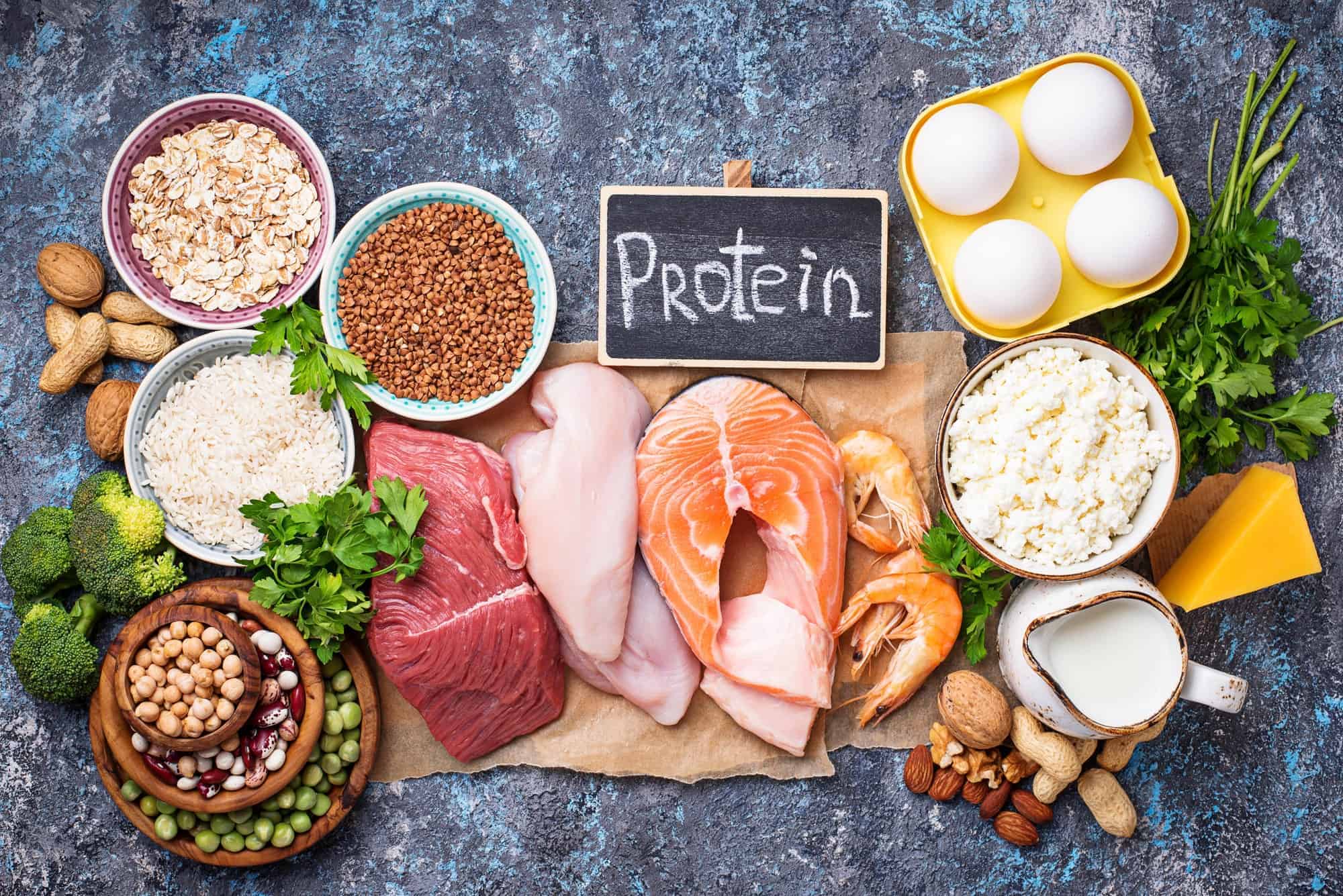
- Chicken Breast: A lean and versatile protein source that can be grilled, baked, or added to salads and stir-fries.
- Greek Yogurt: A creamy and satisfying snack that's packed with protein and probiotics.
- Eggs: A complete protein source that's affordable and easy to prepare.
- Fish (Salmon, Tuna, Cod): Rich in protein and omega-3 fatty acids, which are beneficial for heart health.
- Lean Beef: A good source of protein and iron, but choose lean cuts to minimize saturated fat intake.
- Tofu: A plant-based protein source that's versatile and can be used in a variety of dishes.
- Lentils: A high-fiber and protein-rich legume that's perfect for soups, stews, and salads.
- Chickpeas: Another versatile legume that can be used in hummus, salads, and roasted as a snack.
- Quinoa: A complete protein source that's also high in fiber and nutrients.
- Almonds: A convenient and portable snack that provides a good source of protein and healthy fats.
Incorporating these protein-rich foods into your diet can help you feel fuller, reduce cravings, and support muscle preservation during weight loss. Remember to choose a variety of protein sources to ensure you're getting a complete range of essential amino acids and nutrients.
Question and Answer
Here are some frequently asked questions about protein and weight loss:
Q: Can I eat too much protein?
A: While protein is essential, consuming excessive amounts can put a strain on your kidneys and may not provide additional benefits for weight loss. It's best to stick to the recommended intake range and focus on a balanced diet.
Q: Is protein powder necessary for weight loss?
A: Protein powder is not essential, but it can be a convenient way to boost your protein intake, especially after workouts or when you're short on time. It's important to choose a high-quality protein powder and use it as a supplement, not a replacement for whole foods.
Q: Are plant-based protein sources as effective as animal-based sources for weight loss?
A: Yes, plant-based protein sources can be just as effective as animal-based sources for weight loss, as long as you're consuming a variety of plant-based foods to ensure you're getting all the essential amino acids. Combining different plant-based sources like beans, lentils, tofu, and quinoa can provide a complete protein profile.
Q: How long does it take to see results from increasing protein intake?
A: The time it takes to see results can vary depending on individual factors such as your starting weight, activity level, and overall diet. However, many people start to notice positive changes within a few weeks of increasing their protein intake, such as reduced hunger, increased energy, and gradual weight loss.
Conclusion of Protein and Weight Loss: Complete Guide to Protein for Fat Loss
In conclusion, protein is a powerful ally in your weight loss journey. By understanding its benefits, incorporating it strategically into your diet, and dispelling common myths, you can unlock its full potential for achieving sustainable fat loss, preserving muscle mass, and improving overall health. Remember to calculate your ideal protein intake, choose lean protein sources, distribute your intake evenly throughout the day, and listen to your body's signals. With the right approach, protein can be your secret weapon in the fight against excess weight and a key component of a healthier, happier you.

Post a Comment